
We are committed to understanding your business
Goals and strive to drive the success of your projects
Industries
Electrochemical Energy Storage Power Battery Vehicles AI Computing Liquid Cooling IGBT Heat Dissipation Hydrogen Fuel Cell Vehicles
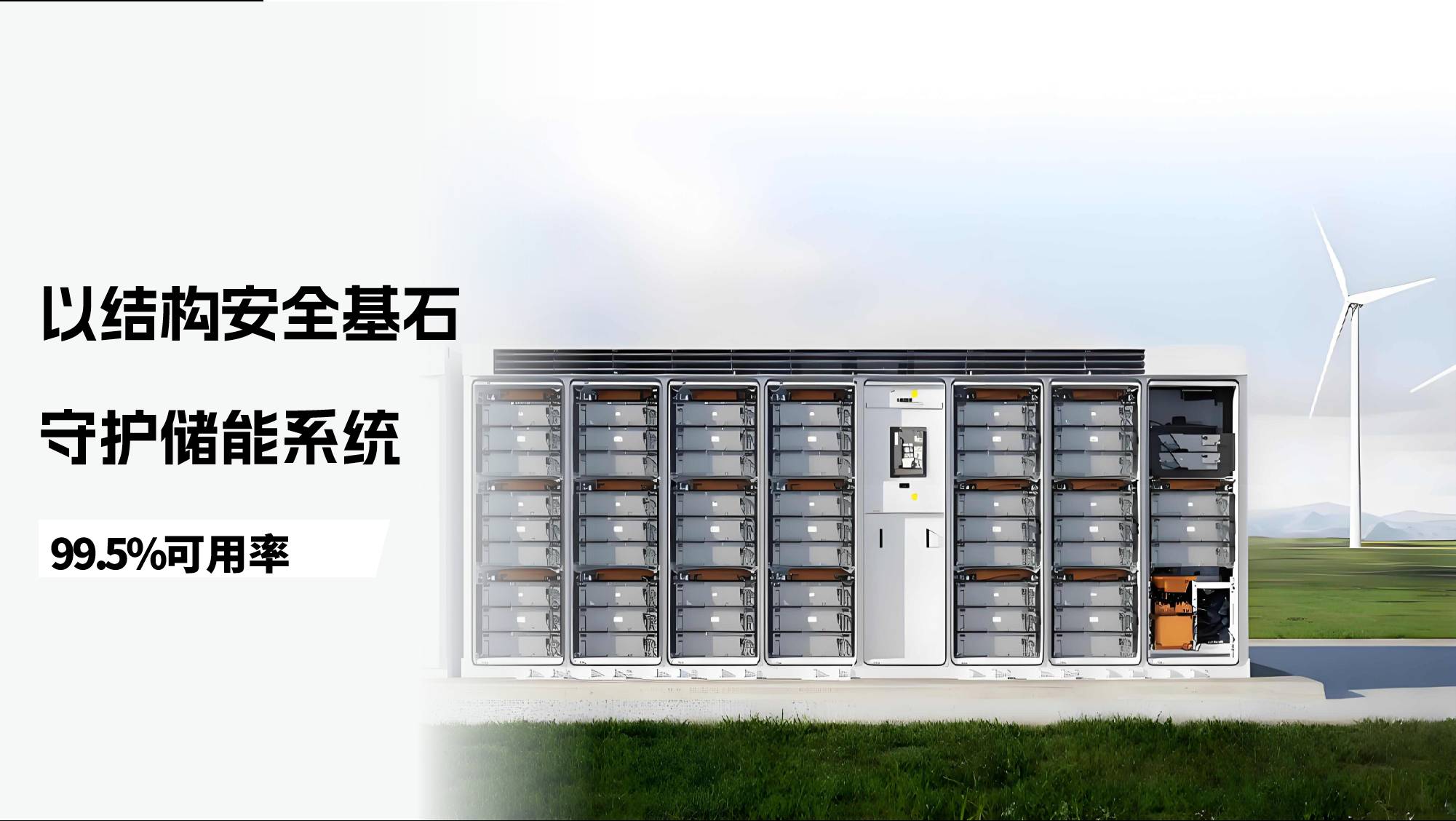
Electrochemical Energy Storage
Yongxin Hongtai Technology focuses on the specific needs of diverse application scenarios, delivering highly tailored custom battery tray solutions through synergistic innovation across material, structure, and function. These solutions provide safety protection, energy efficiency optimization, and sustainable operation guarantees for energy storage systems, driving energy structure upgrades across industries and supporting green, low-carbon development. Modular Design Structural Modular Reconfiguration: From multi-dimensional perspectives of material innovation, architectural design, and process adaptation, achieving structural modular reconfiguration. Scenario Function Integration: Oriented toward scenario requirements, building a flexible system of basic modules + scenario extensions to meet the needs of specific energy storage battery pack scenarios Yongxin Hongtai Technology Liquid-Cooled Battery Energy Storage System Solution
Learn More →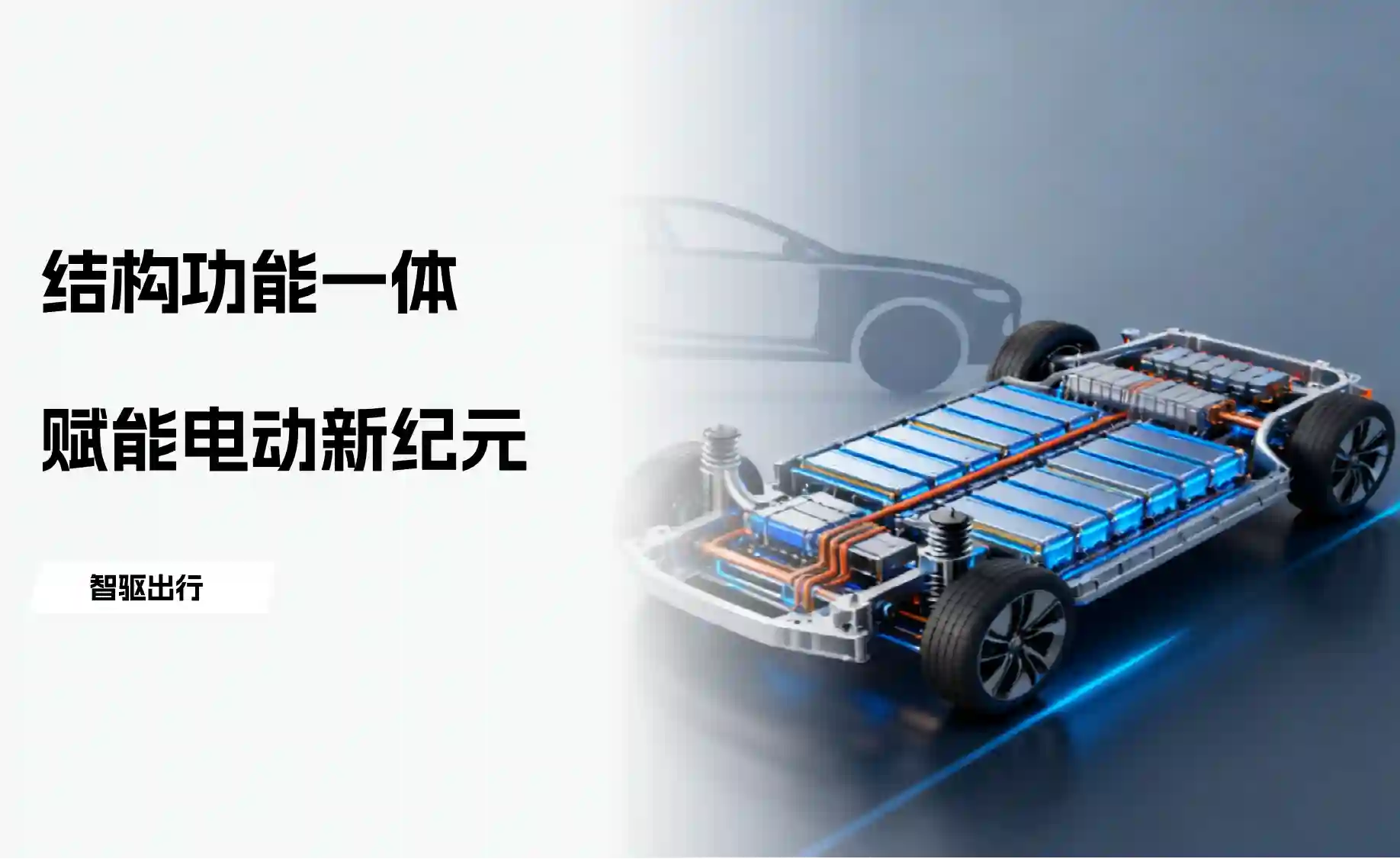
Power Battery Vehicles
EV development is facing structural bottlenecks. Battery packs are no longer just enclosures but must become core structural components of the entire vehicle. We deeply understand the industry pain points: Energy Density Dilemma - How to carry more energy in limited space? Thermal Management Pressure - How to effectively control the high heat generated by fast charging? Safety and Reliability - How to ensure resistance to collisions, vibrations, and other challenges throughout the entire lifecycle? We break through with integrated structure and function. By deeply integrating the load-bearing, heat dissipation, and protection functions of battery packs, we create structural systems with higher energy density, greater safety and reliability, and more efficient production. This transforms battery packs from 'containment units' into 'functional cores,' providing a solid foundation for EV development.
Learn More →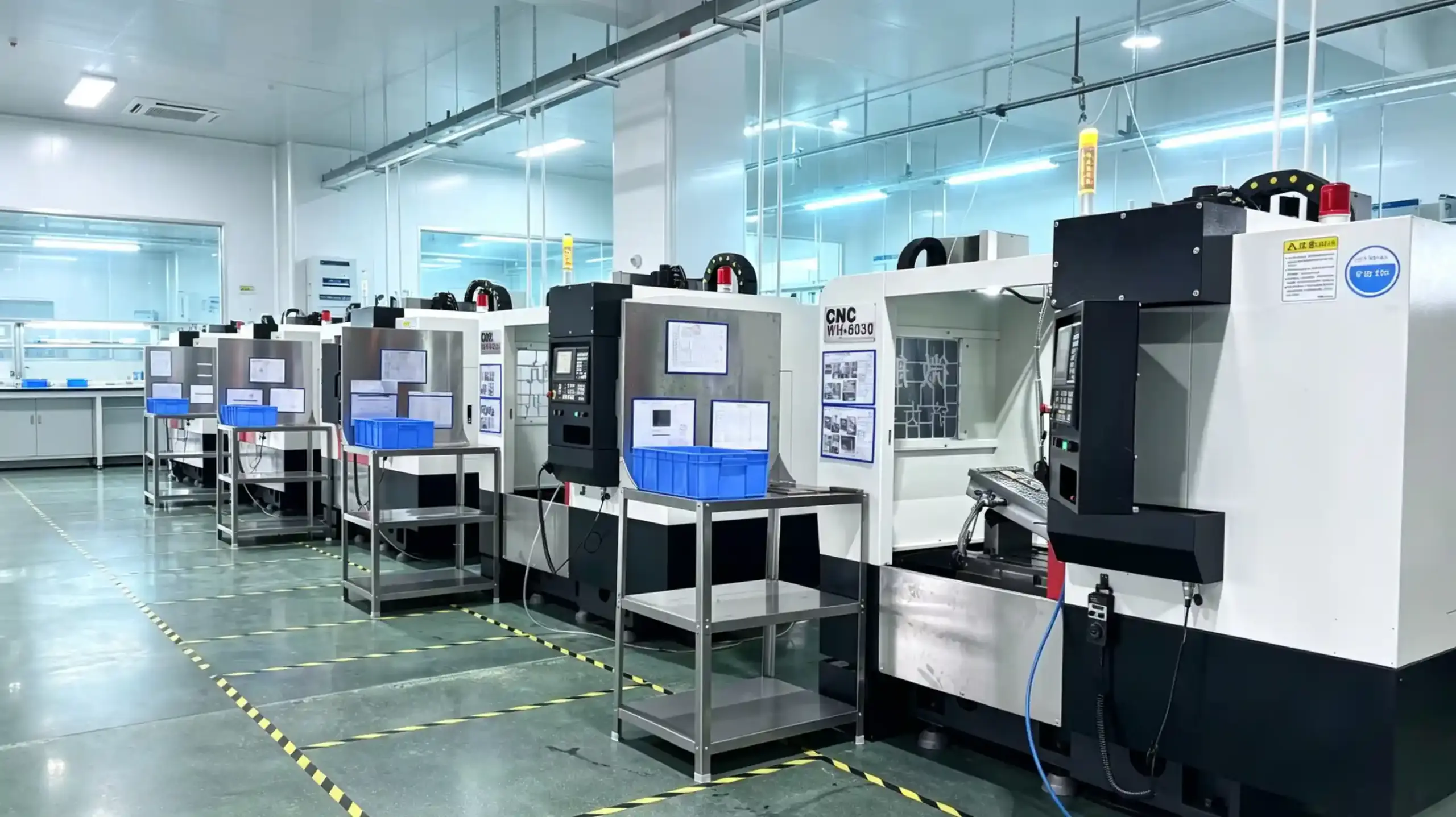
AI Computing Liquid Cooling
Equipped with a full suite of microchannel machining, vacuum brazing, and thermal testing capabilities, covering the entire process from cold plate forming to performance validation. Focused on 1000W-2500W high-power AI chip heat dissipation, offering aluminum-based/copper-based cold plates, with support for 10-day prototyping through mass production ramp-up. Process parameters are fully controllable across the entire chain, with thermal resistance and helium inspection data traceable, shortening validation cycles and reducing introduction risks. Cross-platform compatibility: Serving diverse AI computing chips with process capabilities With full-chain manufacturing capabilities in precision forming, connection sealing, and performance validation, we adapt to diverse AI computing heat dissipation architectures. Covered scenarios include high-power-density GPUs, non-standard domestic AI chips, and modular cloud provider ASICs. Support for irregular flow channels and multi-interface compatibility, aluminum-based/copper-based cold plate mass production delivery, and composite material technology reserves. Yongxin Hongtai Technology AI and HPC Liquid Cooling Solutions High-power cold plate sample experience
Learn More →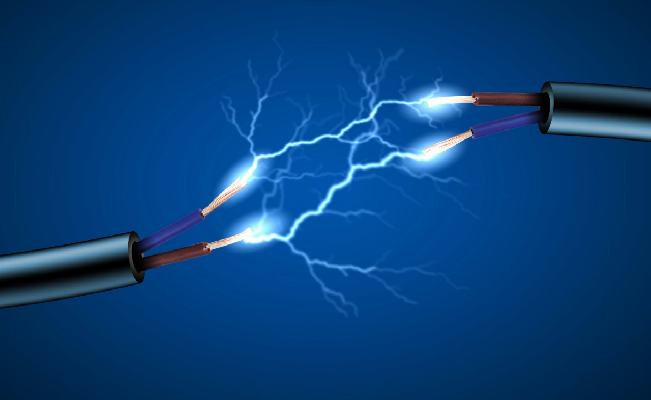
IGBT Heat Dissipation
IGBT modules are power devices with advantages such as low drive voltage, high power handling capability, and high switching frequency. However, they cannot be separated from thermal characteristics. The weakness of power semiconductor modules is overvoltage and overheating. If this heat is not effectively managed, it can lead to equipment failure, reduced efficiency, and shortened lifespan. Only by accurately designing the thermal characteristics of the device and system can the long-term reliable operation of the device be ensured and its full potential realized—this is IGBT thermal management. The continuous miniaturization and rapidly growing rated power of IGBTs result in significant high heat flux, requiring complex thermal management. Technological and Commercial Trends For modules, IGBT heat dissipation technology mainly revolves around packaging and connection iteration. Module packaging and connection technologies consistently focus on the continuous optimization of substrates, DBC boards, soldering, bonding wires, and heat dissipation structures. Inter-chip connection methods: aluminum wire/strip → copper wire → flat connection
Learn More →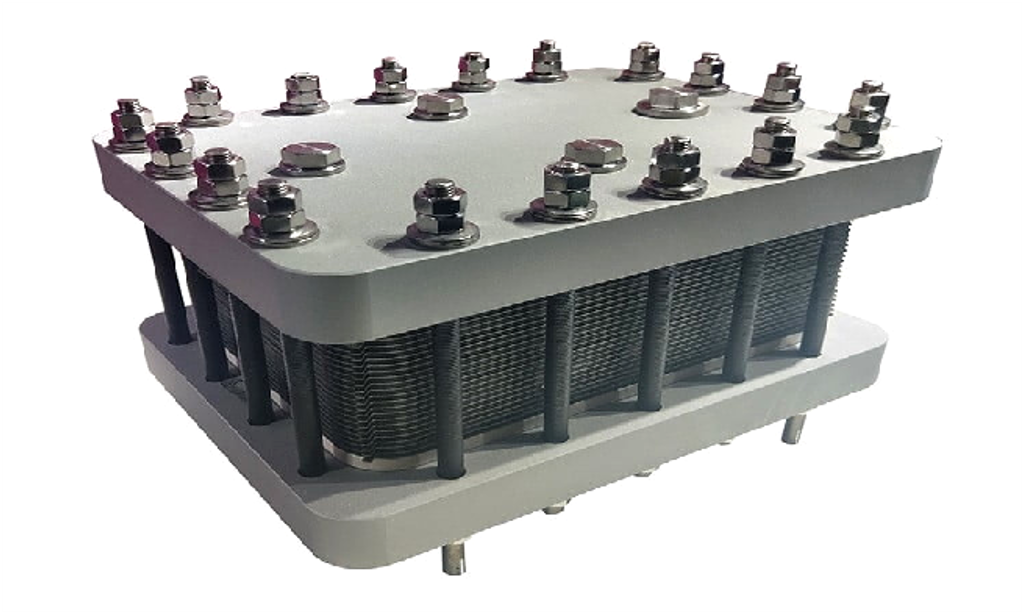
Hydrogen Fuel Cell Vehicles
A hydrogen fuel cell vehicle is an electric vehicle whose battery energy is generated through the chemical reaction of hydrogen and oxygen, rather than being directly converted into electricity through combustion. The chemical reaction process of fuel cells produces no harmful byproducts, making hydrogen fuel cell vehicles pollution-free. The energy conversion efficiency of fuel cells is 2–3 times that of internal combustion engines. Therefore, in terms of energy utilization and environmental protection, fuel cell vehicles are an ideal automotive solution. Technological and Commercial Trends Clean Energy Replacing Fossil Fuels: Hydrogen, as a clean energy source capable of storing wasted energy and facilitating the transition from traditional fossil fuels to green energy, has an energy density (140 megajoules/kg) three times that of petroleum and 4.5 times that of coal. It is considered a disruptive technology direction for the future energy revolution. Hydrogen Fuel Cell Technology:
Learn More →Contact Us:
+8615632275585