Microchannel Process
Skiving Cold plate 006
What is a skived fin heat sink?
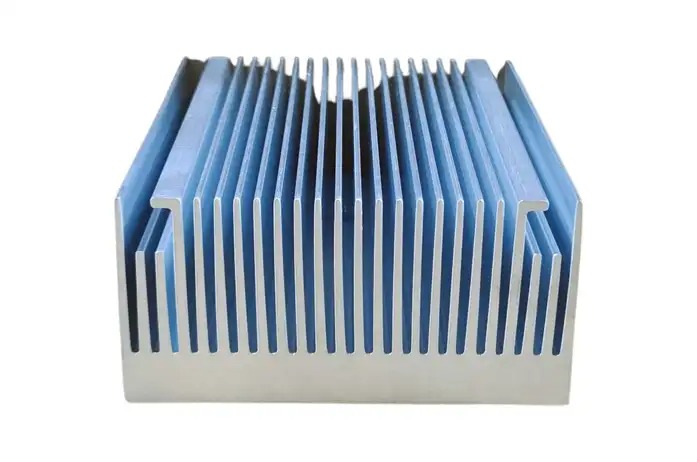
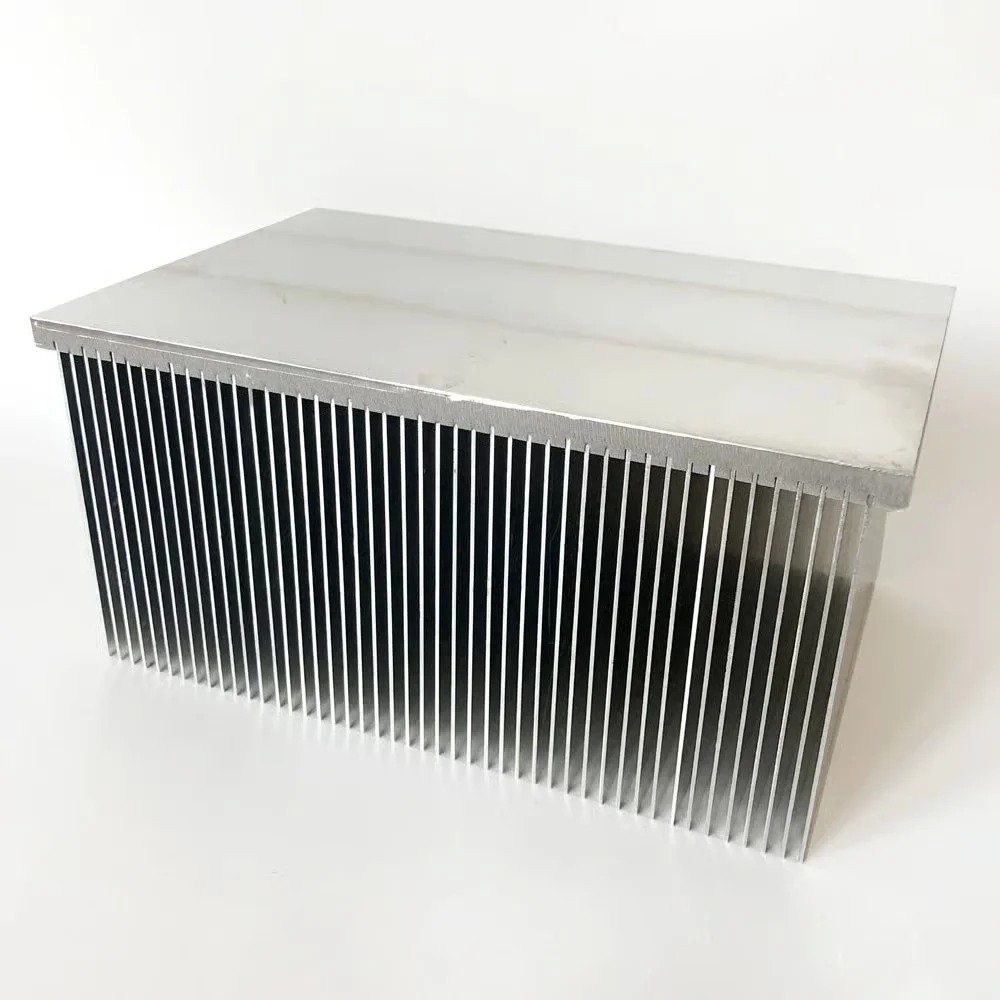
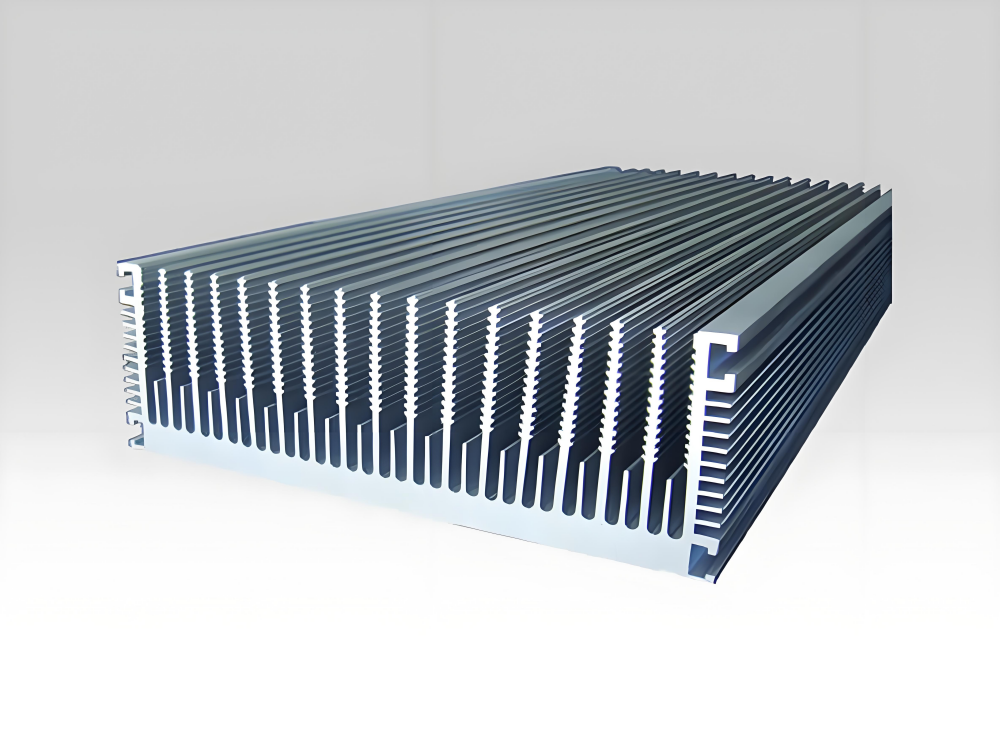
A skived fin heat sink is formed by using a skiving tool to precisely cut a single piece of base material (aluminum or copper) from the top, folding it back to a perpendicular position relative to the base, and repeating at set intervals to create fins. Skived fin heat sinks can achieve thinner fins with higher density, increasing the heat dissipation area per unit volume and thereby improving thermal efficiency.
- Products
- Liquid Cold Plate
- Process
- Microchannel Process
- Additional Processes
- Scraping + CNC Machining
- Material
- AL1060、AL 6061、AL6063、Cu1100、Cu1020
- Size / Color
- Custom
- Surface Treatment
- Sandblasting, wire drawing, painting, anodizing, electroplating
- Quality Control
- Full inspection
- Applications
- Electric Vehicles, Inverters, Converters, Communication Equipment
- OEM
- Accept
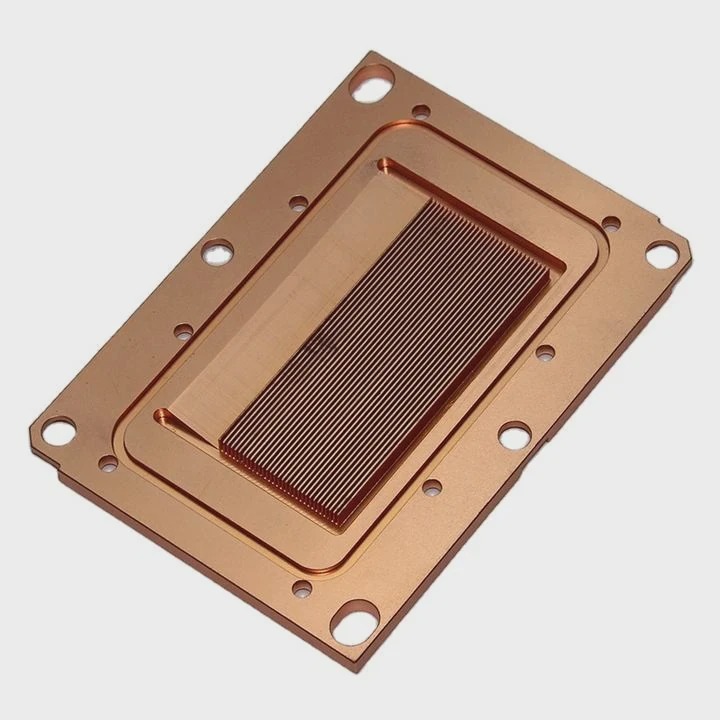
What is a skived fin heat sink?
A skived fin heat sink is formed by using a skiving tool to precisely cut a single piece of base material (aluminum or copper) from the top, folding it back to a perpendicular position relative to the base, and repeating at set intervals to create fins. Skived fin heat sinks can achieve thinner fins with higher density, increasing the heat dissipation area per unit volume and thereby improving thermal efficiency.
✓The skiving process involves using a custom tool and programmed control to set the tool's tilt angle, precisely cutting a base material (aluminum or copper) from the top under mechanical action, folding it back to a perpendicular position relative to the base material, and repeating at set intervals to form fins. The fin-thinning process enables thinner, denser fins, increasing the heat dissipation area per unit volume and thereby improving thermal efficiency.
✓1. Excellent thermal conductivity: skived fin heat sinks typically use copper or aluminum alloys with high thermal conductivity; the fins are formed directly on the raw profile, so thermal performance is fully retained. Without the constraints of mold manufacturing aspect ratios, skiving can produce thinner, longer fins with smaller fin spacing; additionally, wider profiles can be achieved.
✓2. Diverse structural types: in addition to common single-side skiving, the skiving process can also produce double-side skiving, four-side skiving of tubular materials, ring-shaped fins, and custom-profile fins. Current technology can meet the structural design requirements for the vast majority of heat sink applications.
✓3. High compatibility: skived fin heat sinks are formed in a single piece, offering greater potential for secondary processing, and can be combined with processes such as copper pipe embedding to enhance thermal performance. Both soft soldering and hard brazing can accommodate the corresponding temperature rises during manufacturing.
✓4. High durability: the surface of skived fin heat sinks undergoes special treatment processes, improving strength and corrosion resistance. Additionally, the gaps between fins prevent the surface from curling.
✓5. Lightweight: compared to traditional heat sinks, skived fin heat sinks of the same mass can provide a larger surface area, making the overall heat sink more lightweight.
✓1. Fin Design Considerations: Heat exchange area, air velocity, and heat exchange efficiency should be comprehensively considered. Fins that are too thin are prone to deformation, while fins that are too dense can impair heat dissipation.
✓2. Determine the heat sink size based on usage conditions and thermal dissipation requirements. The internal flow channels of the heat sink should be as simple as possible to ensure smooth coolant flow.
Skived fin design considerations
Cost-Effectiveness Considerations
1. The skiving process requires no additional forming molds, so for different size and structure requirements, only the material and scraping tool need to be changed and a new scraping program set.
2. Choosing the skiving process for prototyping can significantly reduce prototyping time and cost.
3. skived fin heat sinks can be equipped with heat pipes, offering significant economic benefits in high-power thermal dissipation scenarios.
4. Yongxin Hongtai Technology can provide professional and more cost-effective recommendations based on your specific application scenarios and demand scale.
Contact Us:
+8615632275585
Professional 24/7 Service for You
- Current Product
- Skiving Cold plate 006
- Product Series
- Microchannel Process
- Category
- Liquid Cold Plate
Product Showcase